Nuestra organización, ubicada en Málaga, abre sus cursos para que tu mejor amigo tenga un comportamiento de envidiar. Para nosotros es muy importante tu seguridad y la de tu familia, con un buen adiestramiento garantizamos que tu mascota sea dócil, pero a la vez fuerte y preparada para cualquier eventualidad.
Contamos con un amplio equipo de capacitadores y adiestradores profesionales, que han incluso ganado premios en el extranjero por su desempeño en este arte y nos especializamos en todas las razas y tamaños.
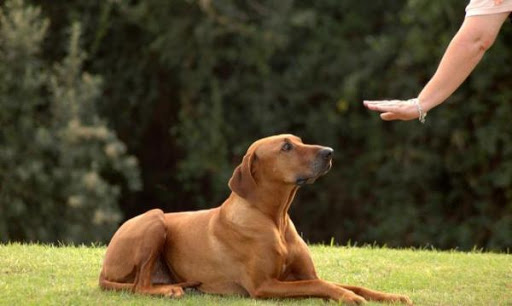
Para contratar los servicios de Amigo de Pelos solo debes dirigirte a nuestras oficinas o puedes también ingresar a nuestra página web.
¿Cómo inscribirme en el curso?
Luego de que has formalizado la inscripción en cualquiera de las dos modalidades antes mencionadas, es necesario que acudas con tu mascota a nuestras instalaciones donde uno de nuestros expertos hará una valoración de la situación actual de tu mascota, lo conocerá más a fondo y elaborará un plan adecuado para cada uno.
Es necesario poseer la ficha médica con todas las vacunas en pro de trabajar con mayor seguridad.
Las clases duran 45 minutos y vienen pagadas al finalizar la sesión. Es necesario que el dueño permanezca durante toda la clase al lado de su mascota, pues así iremos construyendo el vínculo en el terreno profesional.
Modalidad de adiestramiento
Trabajamos con la modalidad de adiestramiento en positivo, la cual consiste en adicionar elementos que su mascota disfruta, por ejemplo, recompensas de juguetes, comida, hasta mimos. Así se le deja bien en claro al animal que estos pequeños regalos o recompensas los puede obtener a partir de su buen comportamiento con el adiestrador o con su dueño.
Es muy importante seguir todas las recomendaciones que le proporcionen en las sesiones y ponerlas siempre en práctica en casa, por lo cual es muy probable que hagamos una sesión donde esté presente toda la familia.
Cosas que definitivamente no debemos hacer
Prohibido gritarle, regañar o infligir algún daño físico a tu mascota: la razón es muy sencilla, adiestrar no significa meter miedo o actuar con crueldad, más bien se trata de demostrar una relación de afecto y respeto.
Nunca muestres desesperación a la hora de adiestrarlo en casa: sabemos que puede ser agobiante que el animal no esté aprendiendo al paso que queremos, pero recuerda que son seres muy especiales con ritmos distintos, jamás los compares porque cada uno se expresa de forma diferente.
Prohibidos collares que le ocasionen daño físico: como ya hemos hablado, la violencia solo provocará una respuesta violenta de su parte provocando que su entrenamiento se retrase.
Llámalo por su nombre: como seres vivos al nacer gozamos de un nombre y una identidad, lo mismo pasa con nuestras mascotas cuando llegan a nuestros hogares; a la hora de adiestrarlo, asegúrate de llamarlo por su nombre, sin usar diminutivos que puedan confundirlo.
Concurso Amigo de Pelos
Para alentar a nuestros posibles clientes, hemos elaborado un concurso donde podrás ganar bonos y tiradas gratis en los principales casinos online de nuestro país. Al igual, si tu mascota gana uno de los primeros lugares tendrá premios como comida gratis y turnos en las peluquerías especializadas que trabajan con nosotros, además de la placa al mejor Amigo de Pelos.
Cuando nuestro adiestrador profesional considere que tu perro está listo para seguir todas tus indicaciones, podrás inscribirte en nuestro curso anual de muestra canina, donde en el escenario, podrás demostrar los resultados obtenidos en nuestro curso y lo mucho que ambos han aprendido.
¡Anímate a ser parte del cambio de tu mejor amigo! y no dudes en contactarnos por cualquier inquietud.